
Claude Opus 5.5 is Anthropic's new-generation flagship model released in September 2026, officially positioned for "long-running agentic coding and knowledge work." It is the first model in the Claude 5.5 family, and it performs strongly across professional evaluations. Improved communication is a key focus of this upgrade. Anthropic says Opus 5.5's output is "more like a good colleague" — leading with information, reducing jargon, and following the writing rules users provide more strictly. Customer feedback supports this: one tester said design specification documents were nearly usable without modification, and the model's rewritten prompts were even preferred over the original author's own version. On safety, Anthropic says Opus 5.5 achieved its best results to date in automated behavior audits, covering nearly 2,000 simulated scenarios, with improvements in both resisting prompt injection and reducing hard-boundary breaches.
AI InterfaceYou Only Need
Faster, smarter, larger AI models at unbeatable value

Covers Multimodal, Text, Image, Video & More
One API accesses global open-source & commercial LLMs
Updated: Sep 29, 2026
Claude Opus 5.5 is Anthropic's new-generation flagship model released in September 2026, officially positioned for "long-running agentic coding and knowledge work." It is the first model in the Claude 5.5 family, and it performs strongly across professional evaluations. Improved communication is a key focus of this upgrade. Anthropic says Opus 5.5's output is "more like a good colleague" — leading with information, reducing jargon, and following the writing rules users provide more strictly. Customer feedback supports this: one tester said design specification documents were nearly usable without modification, and the model's rewritten prompts were even preferred over the original author's own version. On safety, Anthropic says Opus 5.5 achieved its best results to date in automated behavior audits, covering nearly 2,000 simulated scenarios, with improvements in both resisting prompt injection and reducing hard-boundary breaches.
Text and vision reasoning model, an efficient member of Anthropic's Claude 5.5 family, designed to balance speed, intelligence, and cost efficiency. It supports text and image inputs, a 1M-token context window, up to 128K output, and adaptive thinking, with strong capabilities in coding, bug fixing, visual understanding, and creating polished documents, slides, and spreadsheets. Core Capabilities: Efficient Reasoning · Coding · Vision Understanding · Document Generation · Agent Tasks Use Cases: Software Development · Bug Fixing · Document Processing · Slides & Spreadsheets · Everyday Productivity
GPT-6 Sol is the cost-efficient high-end model in OpenAI's GPT-6 series, positioned below the flagship GPT-6 Astra and above the fast GPT-6 Luna tier. It is suited for demanding professional work, agentic coding, business workflow automation, and computer use, and is particularly strong at long-horizon software engineering tasks in real codebases. It approaches Astra-level factual reliability at a much lower cost and shares Astra's clearer, more concise communication style in technical and coding conversations.
Text and vision multimodal reasoning model, OpenAI's next-generation flagship model built for demanding end-to-end work. It delivers state-of-the-art capabilities in computer use, software engineering, research, and professional workflows, enabling autonomous multi-step tasks such as browsing websites, operating software, writing and testing code, and creating documents, spreadsheets, and presentations. It supports a 1.05M-token context window and advanced tools including web search, code execution, and computer use.
Image generation and editing model, the high-quality variant of OpenAI's GPT Image 2.5 family, optimized for detailed creative work, precise editing, and professional visual workflows. It improves image detail, natural lighting, textures, reference-image fidelity, and consistency across iterative edits, making it well suited for advertising, product visuals, brand design, and precision image editing.
Reasoning model with text and image input, xAI's next-generation model designed for coding, agentic tasks, and knowledge work. It supports a 500K-token context window, multiple reasoning levels from low to xhigh, and built-in function calling, web search, X search, and code execution for sustained reasoning and verification across complex workflows. Core Capabilities: Advanced Reasoning · Coding · Agentic Tasks · Long Context · Tool Use Use Cases: Software Development · AI Agents · Deep Research · Professional Knowledge Work · Complex Task Automation
Native multimodal large language model, Google's next-generation high-performance Flash model, optimized for long-horizon coding, autonomous agents, and complex enterprise workflows. It supports text, image, audio, video, and PDF inputs, with a 1M-token context window and up to 65K output tokens, combining high intelligence, low latency, and high throughput for demanding workflows.
A text-generation large language model and Tencent Hunyuan's next-generation MoE flagship, featuring 770B total parameters with 49B active parameters and a 1M-token context window. Its key strengths include long-horizon coding, advanced reasoning, professional productivity, and scientific analysis, with strong performance on cross-file tasks, software engineering, data analysis, financial modeling, and game prototyping. It is well suited for AI agents, software engineering, enterprise productivity, research, and long-context workflows.
Native multimodal large language model, the high-performance Flash model in the DeepSeek V4.1 family. Built on a new asymmetric Causal Encoder-Decoder architecture, it combines fast inference, high throughput, advanced reasoning, coding, agentic execution, and native visual understanding with significantly improved efficiency. Ideal for software engineering, AI agents, data analysis, and high-volume API workloads.
Qwen3.8 Max (Model ID: qwen3.8-max) is a flagship reasoning multimodal large language model released by Alibaba Qwen, previewed in July 2026 and officially launched in August 2026. Built on a Mixture-of-Experts (MoE) architecture with 2.4 trillion total parameters and approximately 95 billion active parameters per token, its key strengths include advanced reasoning, software engineering, agent execution, and multimodal understanding. The model supports text, image, and video inputs, features a 1M-token context window, and is designed for AI agents, software engineering, scientific research, enterprise AI, and other complex knowledge-intensive workloads. Alibaba also announced plans to release the model with open weights. Official benchmarks position it among the world’s leading frontier models.
gemini-3-pro-image (internal codename Nano Banana Pro) is the flagship multimodal image generation and understanding model officially released by Google DeepMind on May 28, 2026. Built on the Gemini 3 Pro architecture, it supports up to 4K resolution with over 80% multilingual text rendering accuracy, features built-in Google Search grounding, conversational multi-round editing and professional lighting controls, delivering logically consistent, detail-rich results ideal for commercial design and professional creative production.
Native omnimodal reasoning model, Xiaomi's flagship MiMo-V2.6 model, designed for high-performance reasoning, complex coding, and long-horizon Agents. It supports joint understanding of text, images, video, and audio, with a 1M-token context window and advanced tool-use capabilities for complex projects, research, and demanding workflows. Core Capabilities: Omnimodal Understanding · Deep Reasoning · Coding · Tool Use · Long-horizon Agents Use Cases: Software Engineering · AI Agents · Scientific Research · Cybersecurity · Professional Productivity
Multi-Scenario Support
Focus on Building, Exploring & Creating
Turn AI Visions into Reality
AI Assistants
Optimizes workflows & agents. Powers smart CS, doc validation & deep data analysis
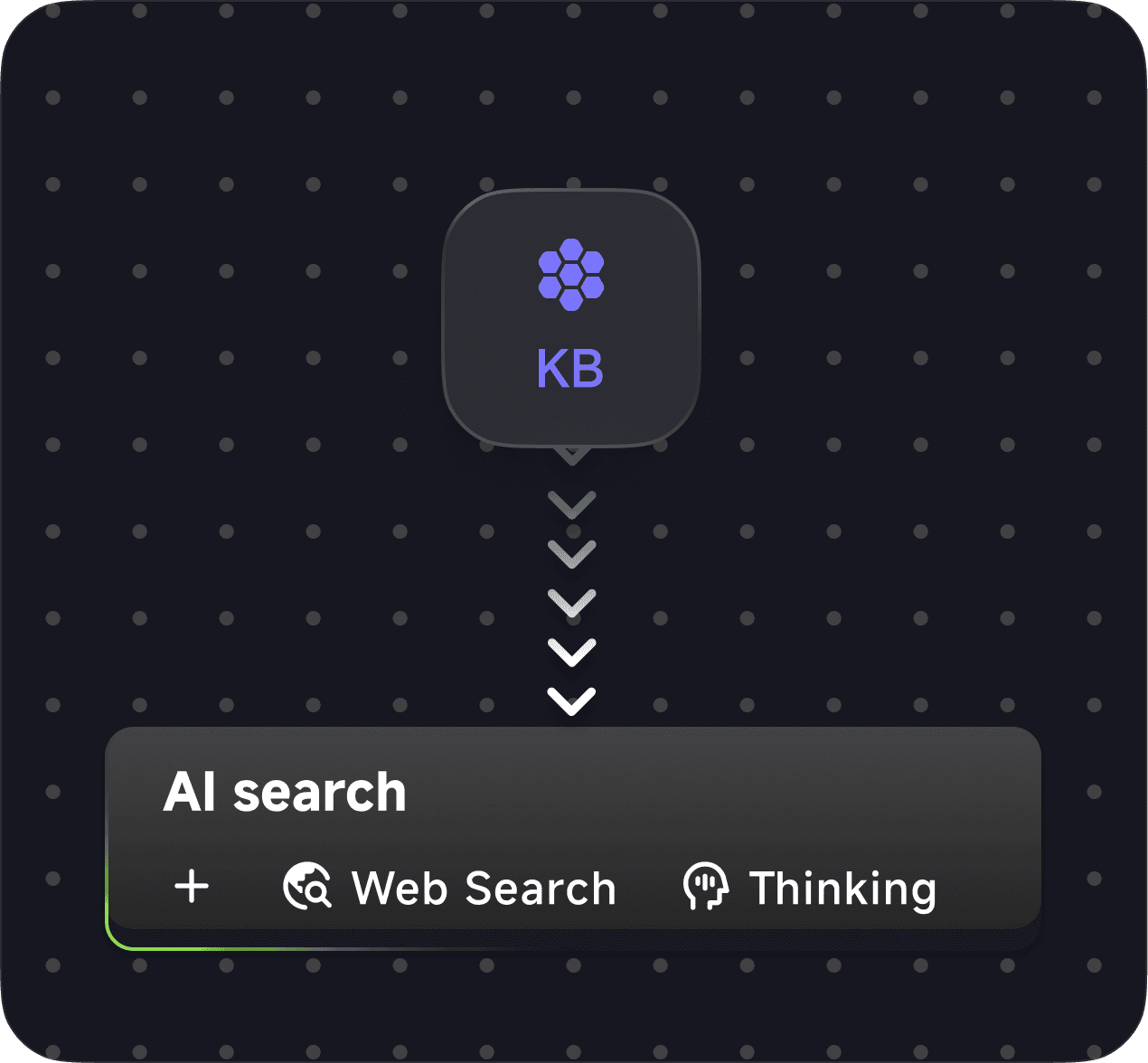
RAG
Retrieves KB data for precision. Delivers instant, reliable feedback for accurate outputs
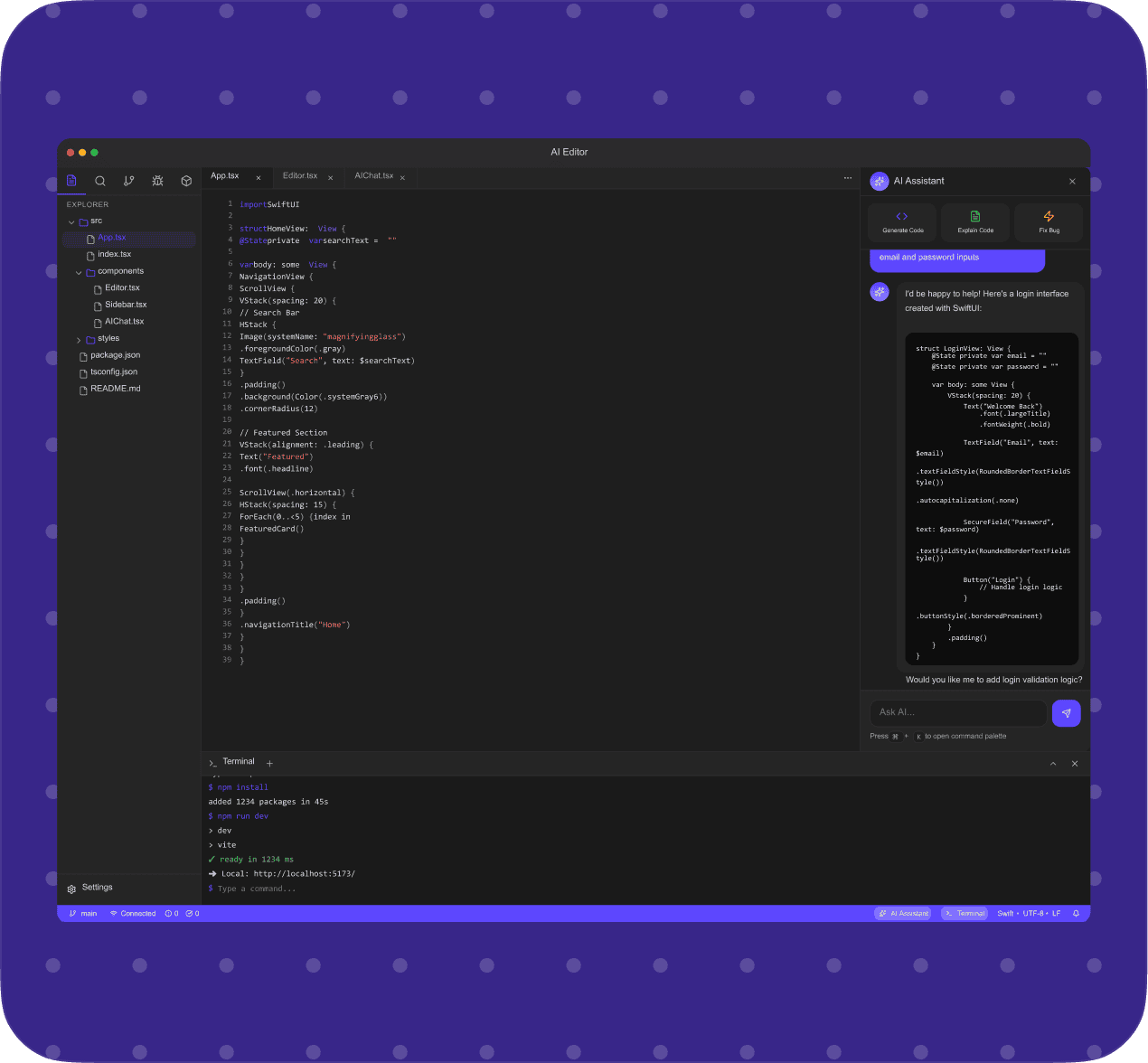
Coding
Smart coding with inline correction & auto-complete. Guides syntax & structural compliance
Search
Retrieves linked data for precision. Delivers instant, reliable feedback
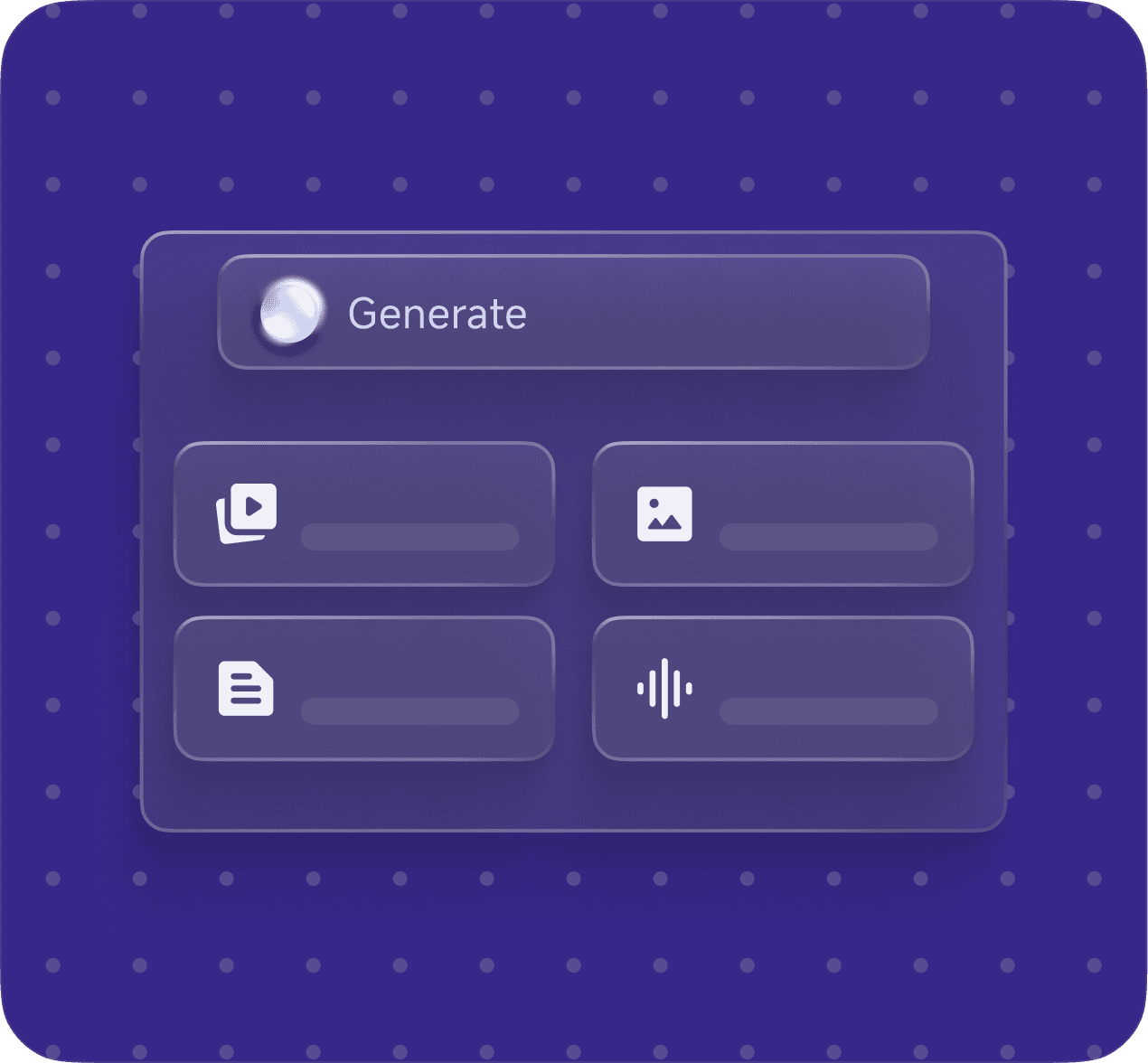
Content Generation
Multimodal creation (Text/Video). Auto-generates social copy & deep analysis reports
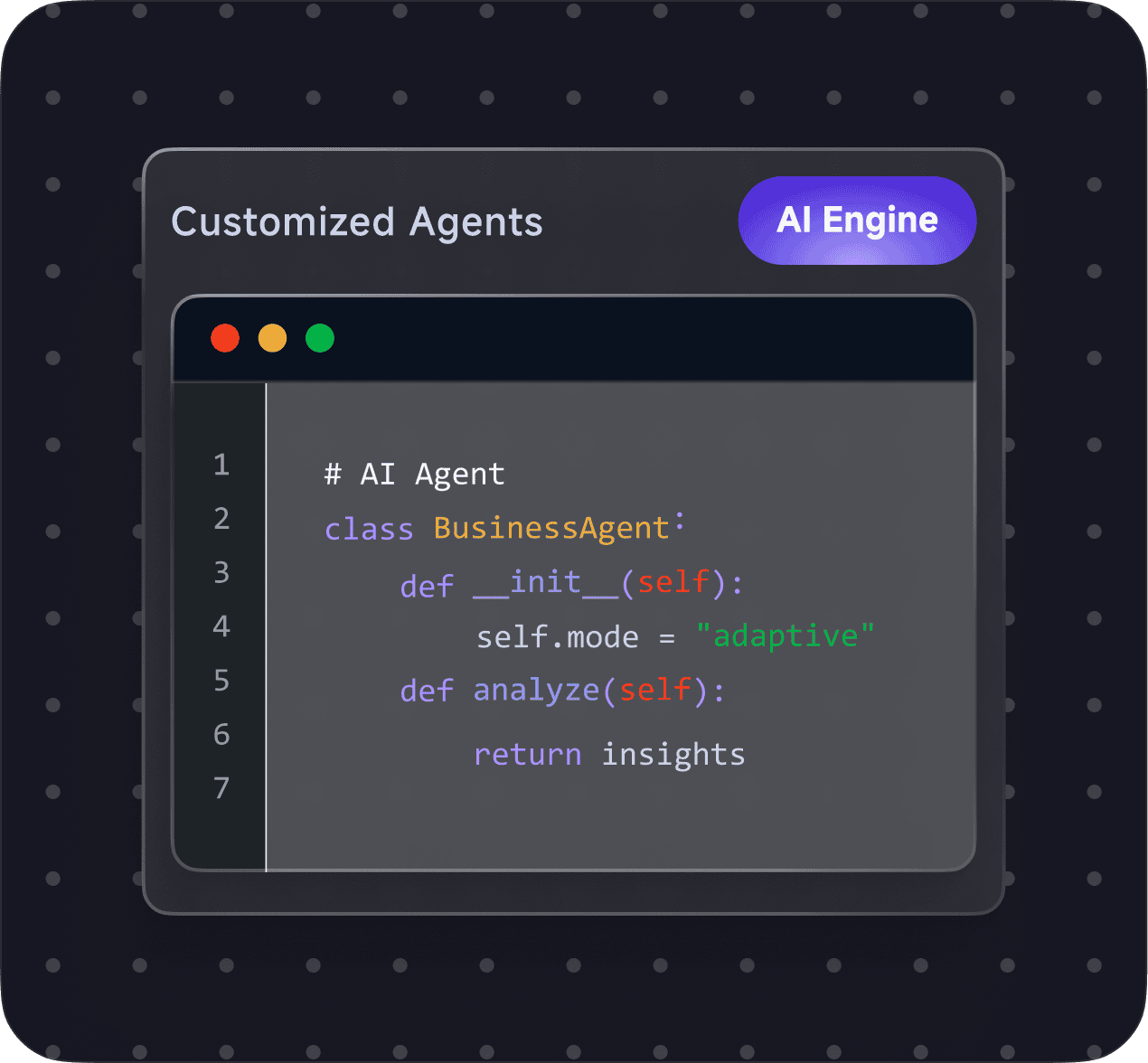
Agents
Logic planning & tool execution. Efficiently handles complex, multi-step workflows
Fits Every Scenario
Flexible Deployment
Reserved CU
Ensure stability. Transparent, controllable billing
Fine-tuning
Tailor high-perf models to needs. Auto one-click deployment
Serverless
Run any model via API. Pay-as-you-go costs
Elastic
Scalable inference & flexible deploy. Face traffic spikes easily
Smart API
Unified API, Integrated routing, throttling cost control
Built for Developers
Speed, Accuracy, Reliability & Value
No Compromises
Efficiency
High concurrency & low latency at competitive rates. Maximize your ROI
Speed
Optimized for LLMs. Experience lightning-fast inference
Control
Fine-tuning & deploy with ease. No infra hassles or stack lock-in
Flexibility
Serverless or Dedicated servers. Deploy the way fits best
Simplicity
One-API supports all models. Zero effort on integration
Privacy
Zero data storage, ever. Your data always under your control